Ambrose Bierce and Washington Irving were both American short story writers, but their writing styles were pretty different. In Irving's Legend of Sleepy Hollow, there is some spooky supernatural stuff going on, but it it viewed in whimsical manner, and by the end of the story, discredited. The story also is not quite believable, and the narrator's tone is personable (as if he were a real person that was there) but rather fantastical, almost as if he doesn't quite believe it himself.
In Bierce's story An Occurrence at Owl Creek Bridge, there are no supernatural happenings, but there are serious themes of death. Bierce actually did, however, write many horror stories that pretty much all involve murder and ghosts (don't read them before bed). While Bierce's horror stories and tall tales (yes, he wrote those, too!) are not something that I find believable, they are almost all told as if they are true. His Civil War stories are extremely believable, and told in a way that makes us think they actually happened. He makes us become emotionally invested in the characters, and in the stories I read, he adds a tragic twist ending. What kind of narrator he uses varies, but, with the exception of his tall tales, the narrator takes the story seriously (unlike the narrator of Sleepy Hollow.) The narrator for Owl Creek Bridge is very detached, as if he is only there to tell the story, not add his own input. We don't even know where his information came from.
In Owl Creek Bridge, we have a very serious story about a man facing death, and in Sleepy Hollow we have a humorously spooky story of an ugly schoolteacher. Really, the only similarity I can find between the two writers is that both wrote short stories. Their writing styles are a sharply contrast.
Thursday, March 16, 2017

Tuesday, March 14, 2017
Bierce! Whyyy??
How softly the turf had carpeted the untraveled avenue--he could no longer feel the roadway beneath his feet!
Doubtless, despite his suffering, he had fallen asleep while walking, for now he sees another scene--perhaps he has merely recovered from a delirium. He stands at the gate of his own home. All is as he left it, and all bright and beautiful in the morning sunshine. He must have traveled the entire night. As he pushes open the gate and passes up the wide white walk, he sees a flutter of female garments; his wife, looking fresh and cool and sweet, steps down from the veranda to meet him. At the bottom of the steps she stands waiting, with a smile of ineffable joy, an attitude of matchless grace and dignity. Ah, how beautiful she is! He springs forward with extended arms. As he is about to clasp her he feels a stunning blow upon the back of the neck; a blinding white light blazes all about him with a sound like the shock of a cannon--then all is darkness and silence!
Peyton Farquhar was dead; his body, with a broken neck, swung gently from side to side beneath the timbers of the Owl Creek bridge. (An Occurrence at Owl Creek Bridge, Ch. III)
At the end of the story, Bierce shifts from past tense to present tense for one paragraph (Peyton's "homecoming"), only to return to past tense for the final sentence (his death). Why do you think this is? What was the author trying to emphasize? Can anyone make any sense of it? I'm not sure that I can. What I find the most confusing is that he switches back to past tense. Had it stayed present tense, it would be like someone was telling us a story, and we then returned to the present, but to switch back and forth like Bierce did... :0 Anyone have any thoughts to aid my muddled brain?
Doubtless, despite his suffering, he had fallen asleep while walking, for now he sees another scene--perhaps he has merely recovered from a delirium. He stands at the gate of his own home. All is as he left it, and all bright and beautiful in the morning sunshine. He must have traveled the entire night. As he pushes open the gate and passes up the wide white walk, he sees a flutter of female garments; his wife, looking fresh and cool and sweet, steps down from the veranda to meet him. At the bottom of the steps she stands waiting, with a smile of ineffable joy, an attitude of matchless grace and dignity. Ah, how beautiful she is! He springs forward with extended arms. As he is about to clasp her he feels a stunning blow upon the back of the neck; a blinding white light blazes all about him with a sound like the shock of a cannon--then all is darkness and silence!
Peyton Farquhar was dead; his body, with a broken neck, swung gently from side to side beneath the timbers of the Owl Creek bridge. (An Occurrence at Owl Creek Bridge, Ch. III)
At the end of the story, Bierce shifts from past tense to present tense for one paragraph (Peyton's "homecoming"), only to return to past tense for the final sentence (his death). Why do you think this is? What was the author trying to emphasize? Can anyone make any sense of it? I'm not sure that I can. What I find the most confusing is that he switches back to past tense. Had it stayed present tense, it would be like someone was telling us a story, and we then returned to the present, but to switch back and forth like Bierce did... :0 Anyone have any thoughts to aid my muddled brain?
Monday, March 13, 2017
Time is a Slippery Thing
"He looked a moment at his "unsteadfast footing," then let
his gaze wander to the swirling water of the stream racing madly
beneath his feet. A piece of dancing driftwood caught his attention
and his eyes followed it down the current. How slowly it appeared
to move, What a sluggish stream!
He closed his eyes in order to fix his last thoughts upon his wife and children. The water, touched to gold by the early sun, the brooding mists under the banks at some distance down the stream, the fort, the soldiers, the piece of drift--all had distracted him. And now he became conscious of a new disturbance. Striking through the thought of his dear ones was a sound which he could neither ignore nor understand, a sharp, distinct, metallic percussion like the stroke of a blacksmith's hammer upon the anvil; it had the same ringing quality. He wondered what it was, and whether immeasurably distant or near by--it seemed both. Its recurrence was regular, but as slow as the tolling of a death knell. He awaited each stroke with impatience and--he knew not why--apprehension. The intervals of silence grew progressively longer, the delays became maddening. With their greater infrequency the sounds increased in strength and sharpness. They hurt his ear like the thrust of a knife; he feared he would shriek. What he heard was the ticking of his watch." (An Occurrence at Owl Creek Bridge, ch. I)
First of all, whaa...?? I had to read this like five times before I noticed it, but there's a major contradiction in here! He looks at the "swirling water" "racing madly", and literally two sentences later calls it a "sluggish stream"! Too bad I glazed over that the first time... 😒 But anyway, if I'd caught it, it would have been the first clue that time seems to be slowing down.
The second clue is a bit more obvious, though the lead-up was somewhat confusing. At first, I was thinking that the "percussion" could be a drum, maybe a signal for the execution to begin, but then it was distant and near, and I was just plain confused. It keeps slowing down, and it becomes stronger and sharper, and aha! It's his watch! Strange. But regardless, time appears to be slowing dramatically. My personal opinion is that, at this time, he is still in reality, not his dreamworld. His time sense is just distorted. So why is time distorted, and why does he "await each stroke" with "impatience" and "apprehension"? Why do the delays become "maddening"? I'm glad you asked (actually, I asked, not you, but oh well...).
To answer these questions, I'm gonna draw on personal experience. Remember the Washington tornado of 11-17-13? I sure do. It happened in the middle of church, and did I mention that our church has no basement? So to make a very long story somewhat shorter, I was sitting on the floor in a lightless room, listening to this strange rumbling in the distance. And it was getting closer. After a very brief emotional roller coaster, I was just sitting there, listening to it getting closer, wondering when it would hit. By the way, this was not just the over-imagination of an eleven-year-old, there was real danger. I think at the closest, it was 1000 feet away, and if that tornado hadn't turned, we would've been toast.
Ok, I've finally reached the point of this long and rambling tale. Once I realized I had no reason to be afraid, time really did seem to slow down. Not as drastically as it did for Peyton, but it was slower. And, like Peyton, I was rather impatient to get it over with, and at the same, time, I was still a little apprehensive (I knew where I was going, but hey, I'd never died before). Even though I wasn't really afraid, I just wanted it to be over and done with, and time seems to always do the opposite of what you want it to (Think of how quickly it goes when you're having fun and how it drags when you're bored.) Perhaps it was the same way for Peyton. We aren't really told Peyton's spiritual state, but it seems to me that he isn't truly afraid of death. Everything he does in this chapter is calm and collected. At this point, he seems to be accepting of his fate, having no desire to escape. Which brings me to another rabbit trail question: if he was peaceful with his death and didn't really want to get away, why did he imagine this whole great-escape scenario? So what do you think? Am I right about the whole time thing? Was he peaceful about his death? What about my rabbit trail question?
And thank you if you actually read this far! ;)
He closed his eyes in order to fix his last thoughts upon his wife and children. The water, touched to gold by the early sun, the brooding mists under the banks at some distance down the stream, the fort, the soldiers, the piece of drift--all had distracted him. And now he became conscious of a new disturbance. Striking through the thought of his dear ones was a sound which he could neither ignore nor understand, a sharp, distinct, metallic percussion like the stroke of a blacksmith's hammer upon the anvil; it had the same ringing quality. He wondered what it was, and whether immeasurably distant or near by--it seemed both. Its recurrence was regular, but as slow as the tolling of a death knell. He awaited each stroke with impatience and--he knew not why--apprehension. The intervals of silence grew progressively longer, the delays became maddening. With their greater infrequency the sounds increased in strength and sharpness. They hurt his ear like the thrust of a knife; he feared he would shriek. What he heard was the ticking of his watch." (An Occurrence at Owl Creek Bridge, ch. I)
First of all, whaa...?? I had to read this like five times before I noticed it, but there's a major contradiction in here! He looks at the "swirling water" "racing madly", and literally two sentences later calls it a "sluggish stream"! Too bad I glazed over that the first time... 😒 But anyway, if I'd caught it, it would have been the first clue that time seems to be slowing down.
The second clue is a bit more obvious, though the lead-up was somewhat confusing. At first, I was thinking that the "percussion" could be a drum, maybe a signal for the execution to begin, but then it was distant and near, and I was just plain confused. It keeps slowing down, and it becomes stronger and sharper, and aha! It's his watch! Strange. But regardless, time appears to be slowing dramatically. My personal opinion is that, at this time, he is still in reality, not his dreamworld. His time sense is just distorted. So why is time distorted, and why does he "await each stroke" with "impatience" and "apprehension"? Why do the delays become "maddening"? I'm glad you asked (actually, I asked, not you, but oh well...).
To answer these questions, I'm gonna draw on personal experience. Remember the Washington tornado of 11-17-13? I sure do. It happened in the middle of church, and did I mention that our church has no basement? So to make a very long story somewhat shorter, I was sitting on the floor in a lightless room, listening to this strange rumbling in the distance. And it was getting closer. After a very brief emotional roller coaster, I was just sitting there, listening to it getting closer, wondering when it would hit. By the way, this was not just the over-imagination of an eleven-year-old, there was real danger. I think at the closest, it was 1000 feet away, and if that tornado hadn't turned, we would've been toast.
Ok, I've finally reached the point of this long and rambling tale. Once I realized I had no reason to be afraid, time really did seem to slow down. Not as drastically as it did for Peyton, but it was slower. And, like Peyton, I was rather impatient to get it over with, and at the same, time, I was still a little apprehensive (I knew where I was going, but hey, I'd never died before). Even though I wasn't really afraid, I just wanted it to be over and done with, and time seems to always do the opposite of what you want it to (Think of how quickly it goes when you're having fun and how it drags when you're bored.) Perhaps it was the same way for Peyton. We aren't really told Peyton's spiritual state, but it seems to me that he isn't truly afraid of death. Everything he does in this chapter is calm and collected. At this point, he seems to be accepting of his fate, having no desire to escape. Which brings me to another rabbit trail question: if he was peaceful with his death and didn't really want to get away, why did he imagine this whole great-escape scenario? So what do you think? Am I right about the whole time thing? Was he peaceful about his death? What about my rabbit trail question?
And thank you if you actually read this far! ;)
Monday, March 6, 2017
Uhhh...
Hi, I'm Bethany. I have no idea what to say. Three of my favorite things are:

ballet (I wish I was this awesome),
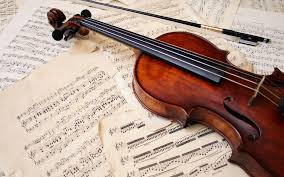
music (instrumental or classical, please),

and literature. Which is a good thing, considering that this is a literature blog.
That's all I can think of right now. Hopefully the images turn out, cause if they don't, I did something wrong. That would be unfortunate.
Have a lovely day!
ballet (I wish I was this awesome),
music (instrumental or classical, please),
and literature. Which is a good thing, considering that this is a literature blog.
That's all I can think of right now. Hopefully the images turn out, cause if they don't, I did something wrong. That would be unfortunate.
Have a lovely day!
Subscribe to:
Posts (Atom)